
 Unavailable
Bartlett Pear Fruit Tree
Pyrus communis 'Bartlett'
Pear Fruit Tree
Currently unavailable
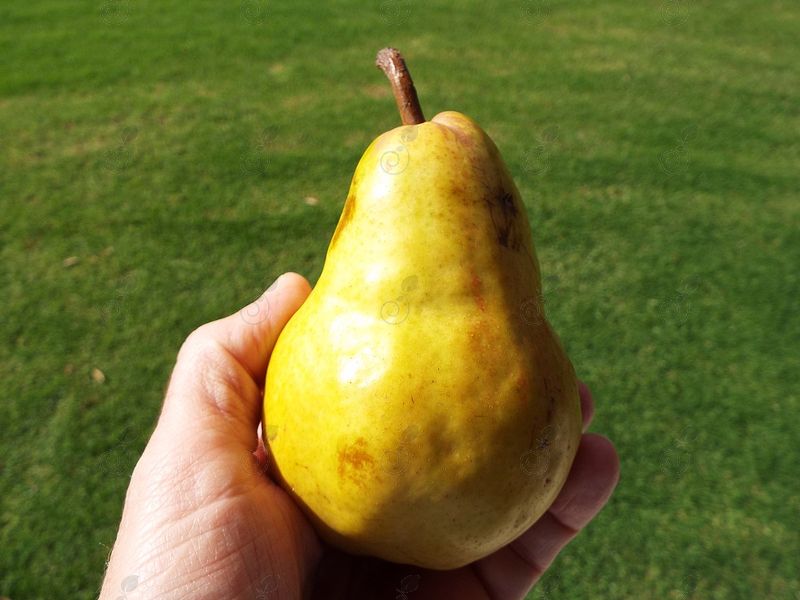
Vigorous and productive semi-dwarf tree produces large, green to golden yellow fruit with a pink blush. Buttery, juicy and highly flavored fruit is excellent for eating or canning. Self pollinating, however should be cross-pollinated with other pear for better crop production. D'Anjou and Asian pears will cross pollinate if blooming at the same time. Most productive when pruned yearly and crop thinned after fruit starts to set. Want to get the most from your fruit trees and keep them healthy? See our full pest control line up here
Specifying this plant? Save it to a project in the shop, or match a whole plant schedule with Plant List Matcher.
Plant facts
Good to know
- Attracts pollinators.
- Suitable for Utah Lake secondary water systems.
Quick answers
How big does Bartlett Pear Fruit Tree get?
About 15-20' tall and 20' wide at maturity.
How much sun does Bartlett Pear Fruit Tree need?
Full Sun (6+ hours).
How much water does Bartlett Pear Fruit Tree need?
Moderate water use.
Will Bartlett Pear Fruit Tree grow in Utah and the Intermountain West?
It is rated hardy to USDA zone 5, so it suits sites in zone 5 or warmer. The Salt Lake Valley floor is mostly zone 7; benches, mountain valleys and high plains in Utah, Idaho, Montana, Colorado and Wyoming are colder, often zones 3–6, so check the zone for your site.
Where can I buy Bartlett Pear Fruit Tree in Utah?
Progressive Plants in Copperton, Utah carries it, but it is not available right now. You can join the waitlist to hear when it's back.
Can landscape contractors buy Bartlett Pear Fruit Tree wholesale?
Yes. Landscape contractors and architects with a Progressive Plants wholesale account get trade pricing, bulk ordering and shipping across Utah, Idaho, Montana, Colorado, Wyoming and Nevada on our own trucks or by freight ($1,500 minimum outside our local delivery area). Apply at progressiveplants.com/wholesaleapp.html or call 801-565-7333.
Find similar plants
Fruit TreesPlants that Attract PollinatorsPlants for Secondary Water